

Owning a pool should mean more time to relax, not another list of chores to manage. With October wrapping up and November around the corner, this week’s pool care installment covers practical tips for saltwater pool maintenance, signs that may point to a leak, equipment concerns to take seriously, and seasonal steps to keep your pool covered as weather changes.
A STEADY WEEKLY ROUTINE
A consistent weekly pool service helps catch small changes before they become bigger hassles. Even if a professional takes care of the regular work, it helps to know what a thorough visit should cover:
- Testing and balancing the water, then noting any chemicals added.
- Skimming debris, brushing surfaces, and vacuuming when needed.
- Emptying skimmer and pump baskets and checking water circulation.
- Inspecting the equipment area for changes in sound, flow, or visible leaks.
- Checking the filter and cleaning or backwashing it when needed, not just by habit.
A reliable pool maintenance service should also keep you informed. At Limping Elk Pools, our weekly visits include a digital service report with completed tasks, chemistry readings, chemicals added, and a photo of your pool after service. We send notifications when we’re on the way and when the visit is complete, so you’re not left wondering what happened.
Learn more about our weekly pool service.
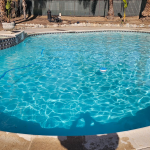
SALTWATER POOL MAINTENANCE
A saltwater pool still uses chlorine to sanitize the water. Its salt system produces chlorine, but it doesn’t remove the need for regular testing, cleaning, and equipment checks. Good saltwater pool maintenance keeps the system working as intended, and helps you avoid guesswork.
Once a week, check:
- Free chlorine and pH: Use a reliable test kit or have your service technician check them. Follow your system and pool-care guidance for target levels.
- Salt level: Compare the reading with the range specified by your salt-chlorine generator. Don’t add salt based on a warning alone; confirm the water’s salt level first.
- Cell and system alerts: Look for low-salt, cleaning, or output warnings. White scale on the cell can be a sign it needs attention, but follow the manufacturer’s instructions before cleaning it.
- Water movement: Check that return flow seems normal and baskets aren’t packed with leaves or debris.
Heavy rain, topping up the pool, hot weather, and a busy weekend can all change what your pool needs. If the water turns cloudy, algae appears, or the system shows repeated warnings, have the water and equipment checked before adding products at random. The EPA’s residential pool water-efficiency guide also explains how routine maintenance can help protect water quality and reduce water waste.

WATCH FOR POSSIBLE LEAKS
Some water loss is normal. Sun, wind, pool temperature, splashing, and water features all affect evaporation. But repeated refilling, or a water level that drops faster than usual, deserves a closer look.
Signs that may point to a leak include:
- The pool loses more water than evaporation can explain.
- You notice persistently wet soil or decking near the pool or equipment.
- There are air bubbles in return lines or in the pump strainer.
- The pump has trouble maintaining normal flow, or water collects around fittings.
- You see cracking, shifting, or unusually damp areas around the pool.
A bucket test can help you compare pool water loss with evaporation. On a calm, dry day, turn off the pool system, cleaner, and automatic fill. Place a bucket on a submerged step or bench, with most of it underwater. Mark the water level inside the bucket and the pool water level outside it, then compare both marks after 24 hours. If the pool level drops more than the bucket level, a leak may be present.
The test can’t locate a leak, and the result can be affected by weather or pool use. If the pool keeps losing water, the test suggests a leak, or you can’t identify the cause, ask a professional about pool leak detection. The EPA guide notes that losses above about two inches a week, or three inches in hot, dry areas with high evaporation, may indicate a leak.

WHEN EQUIPMENT NEEDS ATTENTION
A pump that sounds different, weak return flow, repeated system warnings, or a filter that needs attention more often than usual can point to an equipment problem. Keep an eye out, but don’t open a pressurized filter or attempt electrical repairs yourself. Pool equipment can hold pressure and involves electrical components, even when a quick fix seems tempting.
A qualified technician can inspect the system, find the source of the issue, and explain what needs attention. Pool equipment repair may involve pump or motor issues, filter problems, plumbing repairs, system diagnostics, or replacing a worn component. Prompt attention can help prevent a small issue from disrupting circulation or becoming a larger repair.
At Limping Elk Pools, our experienced technicians explain what they find and provide honest recommendations. We won’t push unnecessary replacements or upsells. If you notice a change, contact a professional pool repair service and share what you’ve observed, when it started, what sounds different, and whether there are any warning lights or visible drips.
SEASONAL TIPS FOR RIGHT NOW
For Inland Empire homeowners, fall is a good time to check that the pool is ready for cooler days and changing use, not necessarily to shut it down. A few simple habits can help:
- Keep checking water chemistry. Cooler weather may mean fewer swims, but your pool still needs balanced water and suitable circulation.
- Clear leaves and debris promptly. Debris left in the water can make cleaning harder and add extra work for your filter.
- Check the equipment after weather changes. Rain, wind, and falling temperatures can affect water level and circulation. Note unusual changes and ask for help if they persist.
- Review your pump schedule. The right run time depends on your pool, equipment, and conditions. Ask a technician before making major changes.
- Use a pool cover when practical. A suitable cover can help limit evaporation and keep debris out. Follow safety instructions and local requirements.
If freezing weather is possible, ask a pool professional what winter precautions are appropriate for your pool and equipment. Draining or winterizing components incorrectly can cause damage; follow equipment guidance and get help when you’re unsure.
CLEAR CARE, LESS HASSLE
Pool ownership feels easier when weekly maintenance is reliable, equipment concerns are handled early, and you know what’s happening at each visit. Our veteran-owned team brings experienced technicians, fair pricing, clear service reports, and honest recommendations, without unnecessary upsells.
Ready to spend less time managing pool chores and more time enjoying your backyard? Contact Limping Elk Pools to ask about dependable weekly pool service and other pool care in the Inland Empire. We’ve got you covered!